There has been a settlement in Hemingford Abbots since early Roman times. The name Hemingford dates from the 8th century, meaning “the ford of Hemma’s people,” believed to refer to a local Saxon chief.
In 974 AD the village came under the ownership of Ramsey Abbey, giving rise to the name “Hemingford Abbots.” By 1066 the area was recorded in the Domesday Book.
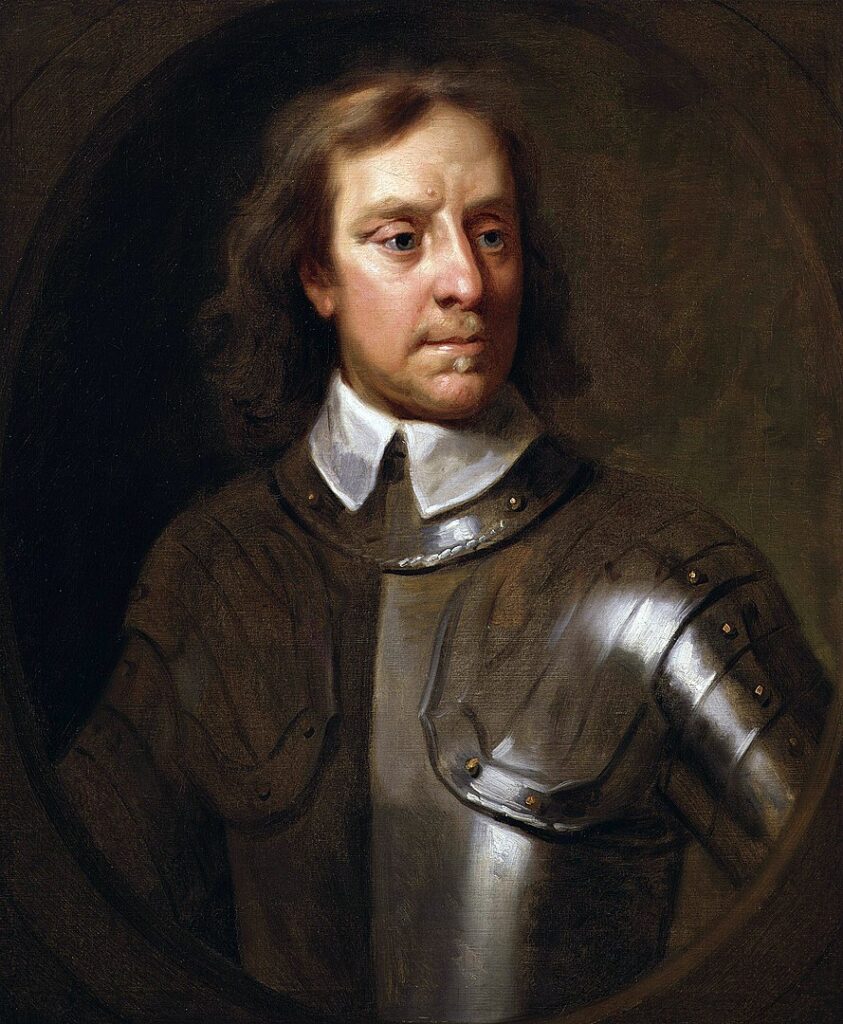
In the 17th century, the surrounding district was associated with Oliver Cromwell, who lived and farmed nearby in St Ives.
Oliver Cromwell (1599–1658) English political leader and central figure in the Civil War
Decimus Burton
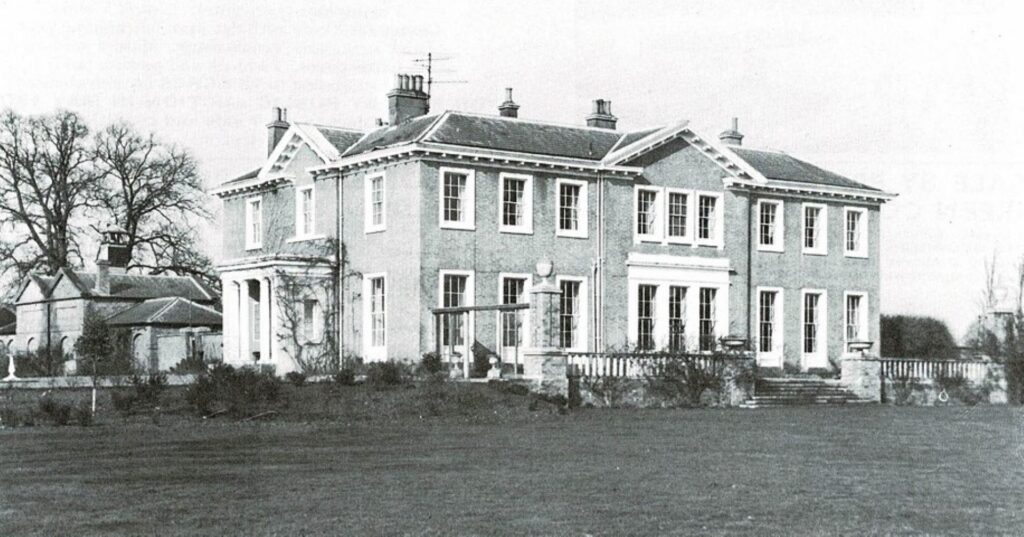
Hemingford Park Hall and its associated buildings were designed by Decimus Burton (1800–1881), one of Britain’s leading architects of the 19th century.
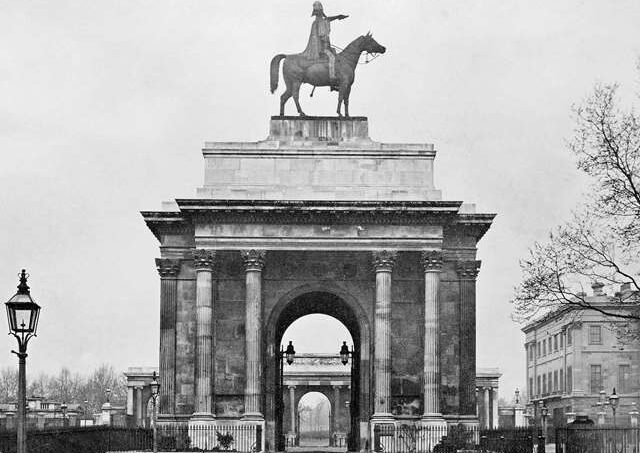
His work includes some of London’s most recognised landmarks: Hyde Park and its gates, Wellington Arch, the Athenaeum Club, Carlton House Terrace, and the Palm House at Kew Gardens. His architectural language—classical, restrained, and precisely proportioned—is clearly expressed in the design of Hemingford Park.
The Hall is a notable example of his country house work, reflecting the formal arrangement and hierarchy typical of the period.
Wellington Arch, London Decimus Burton, 1827
The Estate in the 19th Century
In 1842, during the early Victorian period—with Queen Victoria on the throne and Sir Robert Peel as Prime Minister—Hemingford Park Hall was constructed, together with its coach house, stables, and supporting estate buildings.
The house was commissioned by the Reverend J. Linton as a private country residence.
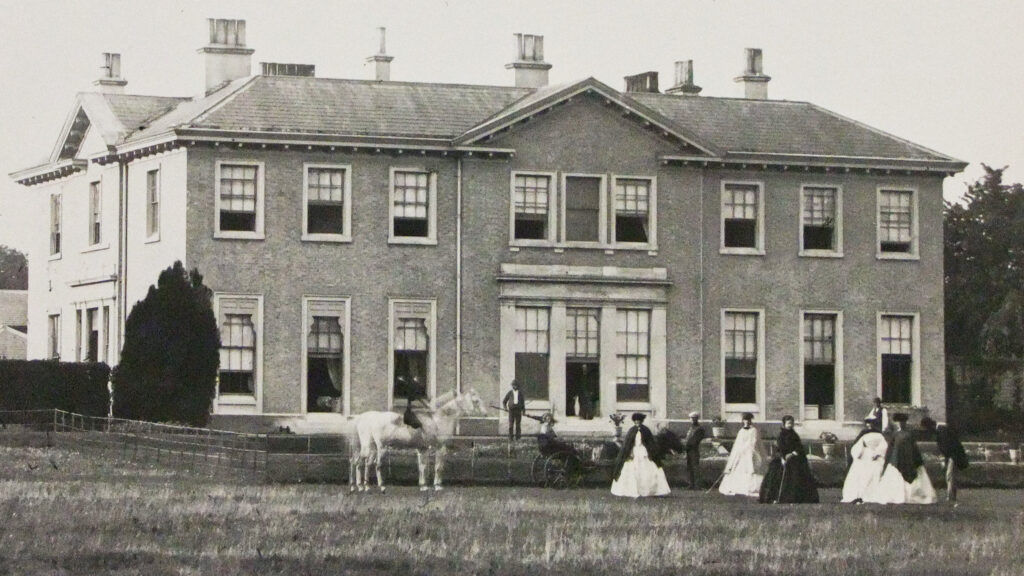
Croquet on the eastern lawn, c. 1875–1885.
The 20th Century
From private residence to wartime billet and back again.
A detailed record of the estate at the start of the century is preserved in its 1920 sales particulars. View the 1920 Particulars.
The Early Decades
W.G.Grace and C.B.Fry, famous historic English cricketers, played at Hemingford Park in the late 19th and early 20th centuries.
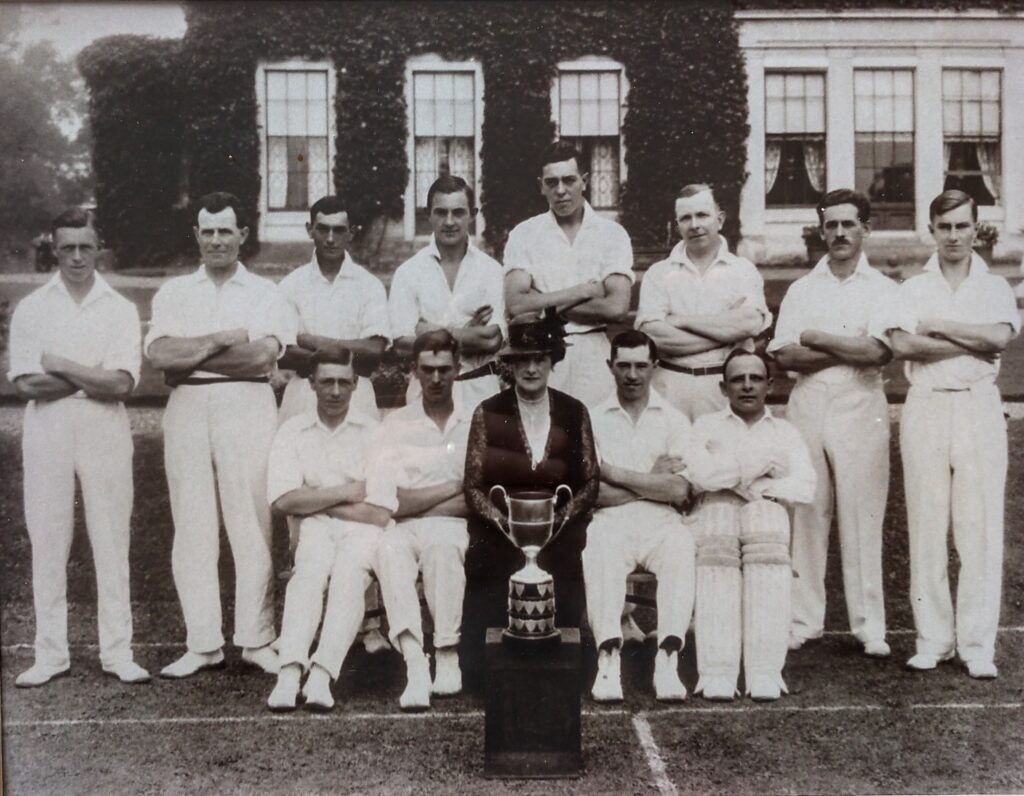
Cricket was still thriving at the Park before the second world war. Winners of a 1932 cricket cup pictured receiving their trophy from the wife of the estate owner.
World War II
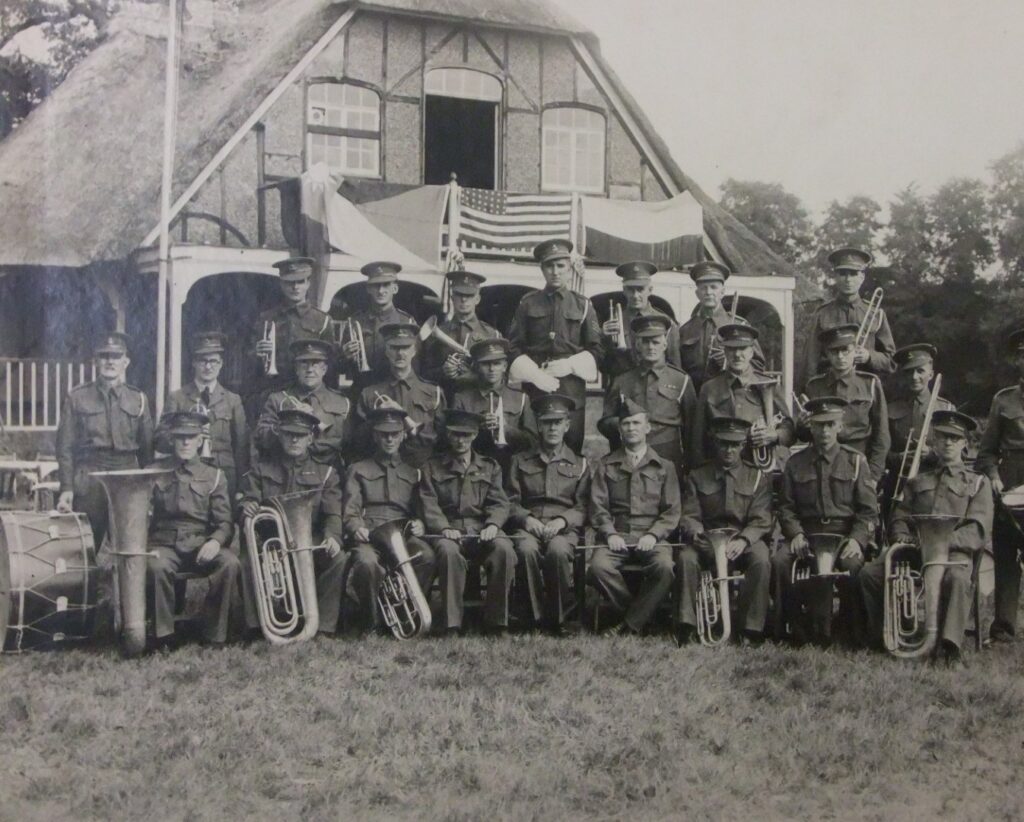
Hemingford Park became the temporary home for British Army Royal Engineers. They lived in wooden huts in the grounds of Hemingford Park.
Later those same huts were used to house Italian POWs and, in 1943, captured German aircrew.
The 1950s onwards
Following the Second World War, Hemingford Park returned to private use. The Hall itself remained intact and was recognised for its architectural significance in 1951, securing its status as a protected building.
The traditional upstairs–downstairs structure became difficult to sustain and the house was adapted to reflect changing patterns of use.
The 21st Century
In 2012, Hemingford Park was acquired by its current owners and carefully restored as a private country estate.
The house has been returned to its original upstairs–downstairs structure, preserving the architectural intent of the 19th century while adapting it for contemporary use.
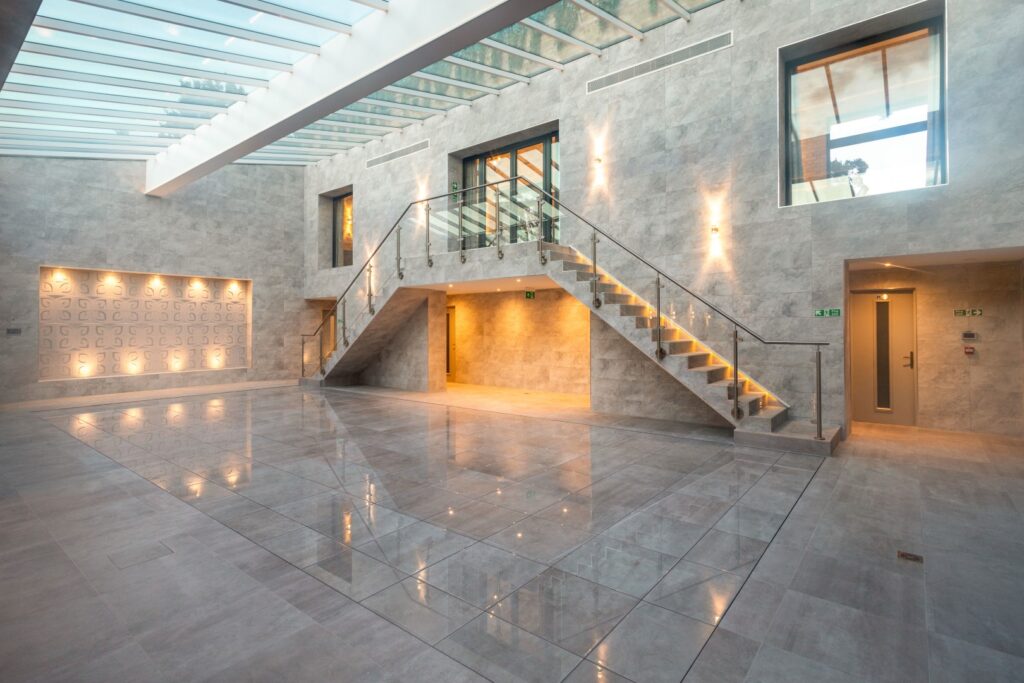
Alongside this restoration, a substantial wellness and event facility was introduced. Its principal component is an extensive underground spa, discreetly integrated within the estate and believed to be one of the largest private facilities of its kind in Europe.
Inside the new pavilion
An historic English estate, reserved exclusively for private stays.